
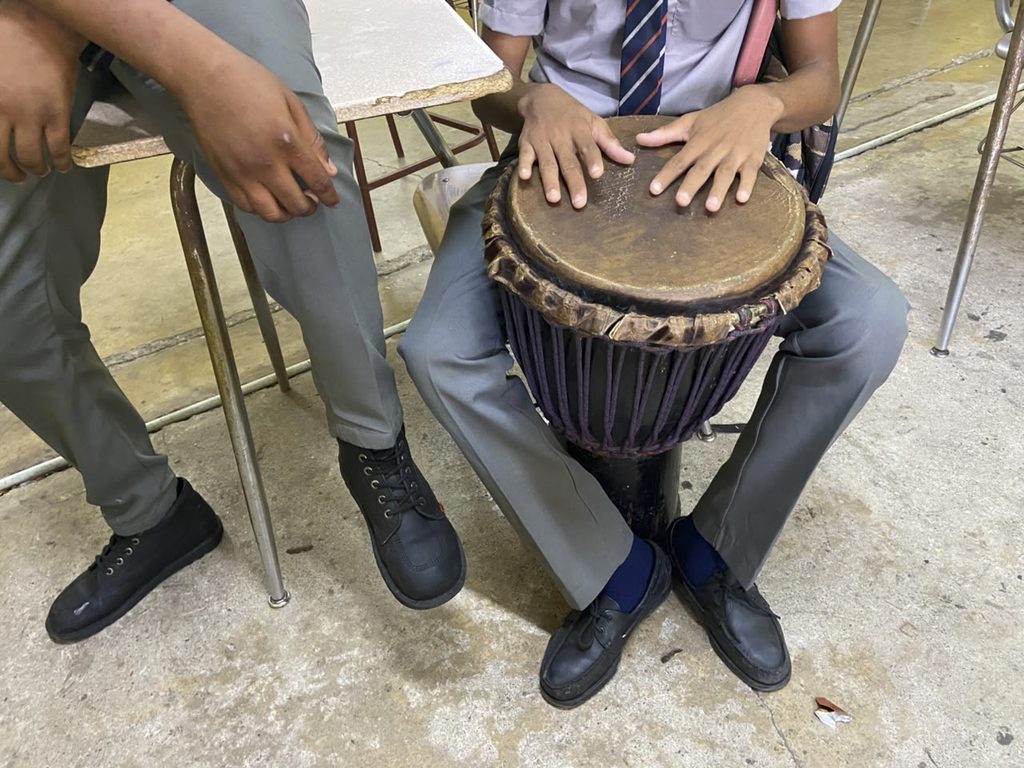
The power of rhythm is helping children and adolescents develop emotional resilience, positive behaviour and healthier relationships through the Violence Prevention Alliance’s (VPA) Drumming for Peace initiative.
Supported by the American Friends of Jamaica (AFJ), the programme uses culturally grounded drumming activities to help young people express their emotions, improve self-regulation, strengthen teamwork and learn peaceful approaches to resolving conflict.
“Drumming provides young people with a positive outlet for expressing their emotions while teaching them important life skills, including patience, discipline, cooperation and self-control,” said Jonelle Llewellyn, Research Associate at the VPA.
“By creating a safe and supportive environment for them to connect through music, we are helping to strengthen their resilience and equip them with healthier ways of managing challenges and resolving conflict.”
During the July to September 2026 quarter, the initiative engaged children at Maxfield Park Children’s Home in Kingston and students at Clan Carthy High School, using music as a practical tool to support emotional wellbeing and contribute to violence prevention.
Maxfield Park Children’s Home Participates in Drumming for Peace Programme
At Maxfield Park Children’s Home, approximately 13 to 14 children participated in each session held throughout July and August. Facilitators observed encouraging improvements in participation, concentration and the ability to retain drumming techniques. Miss Llewellyn said that children who initially appeared tired, withdrawn or disengaged often became more energetic and enthusiastic as the sessions progressed. Emotional check-ins also indicated positive changes in participants’ moods following the activities.
“These early observations are encouraging because they show how structured, creative activities can help young people become more engaged and comfortable expressing themselves,” Miss Llewellyn said. “While we recognise that meaningful behavioural change takes time, we are committed to providing consistent opportunities for children to build confidence, strengthen relationships and develop positive coping skills.”
At Clan Carthy High School, September sessions engaged between five and 16 students in rhythm exercises, teamwork and preparation for musical performances. Despite occasional infrastructural challenges, students remained enthusiastic and worked towards performances for the school’s anniversary celebration.
Beyond the immediate benefits observed during sessions, Miss Llewellyn said that the VPA is using evidence-based monitoring to assess the programme’s impact on participants’ behaviour and emotional wellbeing. The Strengths and Difficulties Questionnaire (SDQ) is being used to track changes in emotional symptoms, conduct, attention, peer relationships and prosocial behaviour.
Preliminary findings at Maxfield Park indicate improvements in average prosocial behaviour scores, although overall behavioural outcomes remain mixed and require further assessment.
She noted that monitoring is important to understanding the programme’s effectiveness and guiding future interventions.
“We want to ensure that the programme is not only engaging but also making a meaningful contribution to the lives of the children and adolescents we serve,” she said. “Using assessments alongside attendance records and facilitator observations will help us better understand the changes taking place and identify where additional support may be needed.”
The AFJ-supported initiative will continue through December 2026, with activities also planned for SOS Children’s Village in Stony Hill, St Andrew. The facility accommodates children relocated from SOS Children’s Village in Barrett Town, St James, following Hurricane Melissa.
A final report will document the programme’s outcomes, drawing on baseline and follow-up assessments, attendance records and facilitator observations to provide a clearer picture of changes in participants’ behaviour.
Through Drumming for Peace, Miss Llewellyn said that VPA continues to explore practical, evidence-informed ways to nurture resilience, encourage positive relationships and help build safer, more peaceful communities for Jamaica’s children and young people.